


From Resistance to Identity: How Has the Palestinian Struggle Transformed from the Rifle to Embroidery and Art?
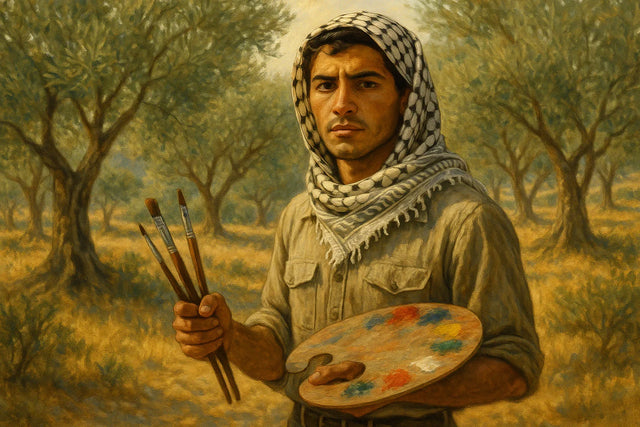
For decades, the image of the Palestinian struggle has been associated with rifles, checkpoints, and faces bravely resisting occupation. But today, the scene seems to have changed. The story is now told through embroidery threads, in the scent of olive oil, and in the melodies of songs, films, and exhibitions. It is as if the struggle has transformed from an armed confrontation to a battle for cultural survival and identity.
Changing Tools of Resistance
Some might ask: Has the intensity of the struggle diminished, or has it simply changed its form?
Armed resistance was once an expression of anger, dignity, and the search for freedom. However, regional and global political transformations, and generational changes, have imposed a different reality. A new generation of Palestinians – many born in exile or under occupation – has found new tools to express themselves: art, cooking, fashion, films, and stories.
In exhibitions and on social media platforms, Palestinian artists and creators present their own narratives, in their own language and images. The Keffiyeh has become a symbol of identity in fashion, the olive season has transformed into an act of belonging, and films narrate what political speeches have tried to suppress. For some, these are not alternatives to the old struggle, but an extension of it through different means, suited to a world where the form of influence is changing.
Between Identity and Action
On the other hand, others believe that this cultural shift might strip the struggle of its essence, transforming it from a liberation movement into a lifestyle or a brand. Does embroidery retain its revolutionary value when displayed in Western stores? And does olive oil remain a symbol of the land when it becomes a luxury product?
Perhaps the truth lies in the middle. Asserting identity, in itself, is a political act. Self-expression, preserving memory, and reviving heritage are all forms of resistance. But identity, if separated from the pursuit of justice and freedom, might become merely a beautiful narrative without action.
A New Generation… and a New Dilemma
Today's Palestinian generation lives in a torn world: some under occupation, some in diaspora, and others between two cultures. For them, art and symbols are not luxuries but means of survival. A tattoo of an olive branch, a dabke dance, or a simple post about heritage, have all become ways to express belonging and dignity.
But can art replace political action? Or does it redefine it?
An open question… and perhaps it should remain so.
A Story Unfinished
Whether the struggle is with a rifle or a needle, a slogan or a song, the Palestinian story continues. Perhaps resistance was never in the tool, but in the insistence on existence.
Olive trees still grow, and threads still tell the story.
And in a world that observes more than it listens, perhaps visibility itself has become a new form of resistance.


0 تعليقات
لا توجد تعليقات على هذا المقال. كن أول من يترك رسالة!