


Olive Oil in Cosmetics: A Beauty Ritual Thousands of Years Old
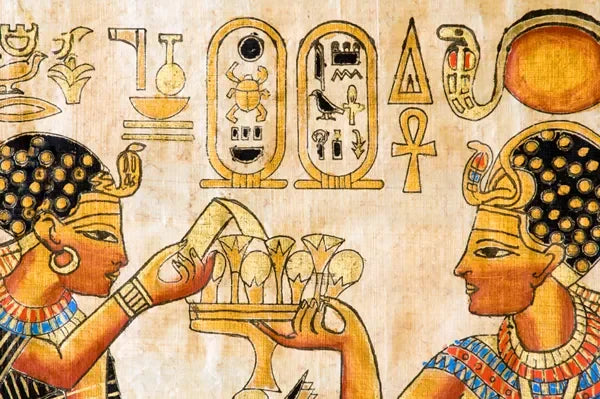
Long before modern skincare labs and ingredient lists, olive oil was already considered liquid gold — not just for food, but for beauty, health, and ritual. For thousands of years, civilisations across the Mediterranean relied on olive oil as a cornerstone of cosmetic care, trusting its nourishing power for skin and hair.
Ancient origins of olive oil in beauty
The earliest recorded use of olive oil in cosmetics dates back over 5,000 years. In Ancient Egypt, olive oil was blended into balms and ointments used to protect skin from the harsh sun and dry desert air. It was also part of cleansing rituals, symbolising purity and preservation.
In Ancient Greece, olive oil became deeply embedded in daily life. Athletes massaged it into their skin before competitions, not only for protection but for recovery. Women used olive oil as a natural moisturiser, hair conditioner, and makeup remover — practices still relevant today.
The Romans expanded these rituals further, incorporating olive oil into public bathhouses. Instead of soap, they used oil to cleanse the body, scraping away impurities while leaving skin soft and conditioned.
Why olive oil worked then — and still does now
What ancient civilisations knew through experience, modern cosmetic science confirms. Olive oil (Olea Europaea Fruit Oil in INCI nomenclature) contains oleic acid — a fatty acid structurally similar to the lipids in human skin — which allows it to integrate with the skin's surface layer rather than simply sitting on top. It also contains Tocopherol (Vitamin E), which acts as an antioxidant and helps protect the skin from environmental stress.
These properties make olive oil genuinely useful as a skincare and haircare ingredient — not just as a heritage story, but as a functional component in well-formulated products.
Olive oil across cultures — and in Palestine specifically
Across the Mediterranean, olive oil carried meaning beyond beauty. In Palestine, olives and olive oil have been symbols of resilience and continuity for generations. Families passed down rituals of using olive oil for skin, hair, and even newborn care — not as a trend, but as tradition.
From washing hair with olive oil blends to applying it to hands weathered by work and harvest, it was a daily act of nourishment and respect for the body. Palestine's olive trees are among the oldest cultivated in the world. The harvest is a seasonal gathering that ties families and communities to the land across generations.
A tradition reimagined for today
At Olive & Foam, we don't see olive oil as a marketing ingredient — we see it as heritage. Our products are inspired by these ancient rituals and formulated for modern life, combining Palestinian olive oil (Olea Europaea Fruit Oil) with ingredients chosen for what they actually do.
In our Hand Wash and Body Wash, olive oil works alongside Cocamidopropyl Betaine to provide a conditioning cleanse. In the Shampoo, it pairs with Polyquaternium-7 to leave hair smooth and manageable. In the Conditioner, it sits within a richer base of Glycerin and cetyl alcohols to deeply soften and detangle. And in the Hand & Body Milk, it combines with Shea Butter and Aloe Vera for our most nourishing formula.
Every purchase also supports the Palestinian olive grove owners who grow and press the oil. You can read more about that work here.
Beauty that stands the test of time
Thousands of years later, olive oil remains one of the most trusted ingredients in personal care. Its story is not one of reinvention, but of continuity — a reminder that genuine nourishment doesn't need to be complicated.
Sometimes, the best solutions are the ones humanity discovered long ago. The full Olive & Foam range is built on that principle.


0 Comments
There are no comments for this article. Be the first one to leave a message!